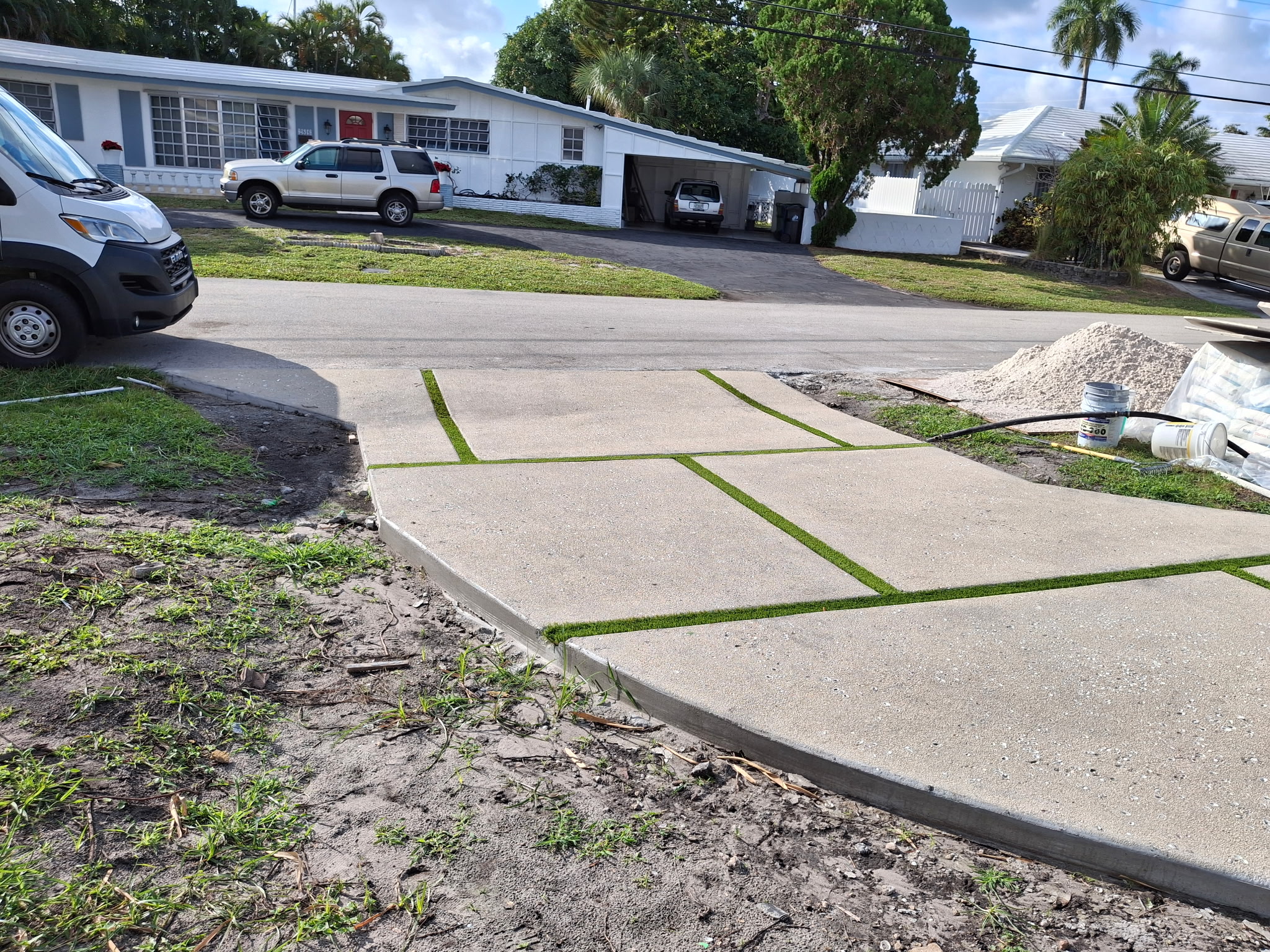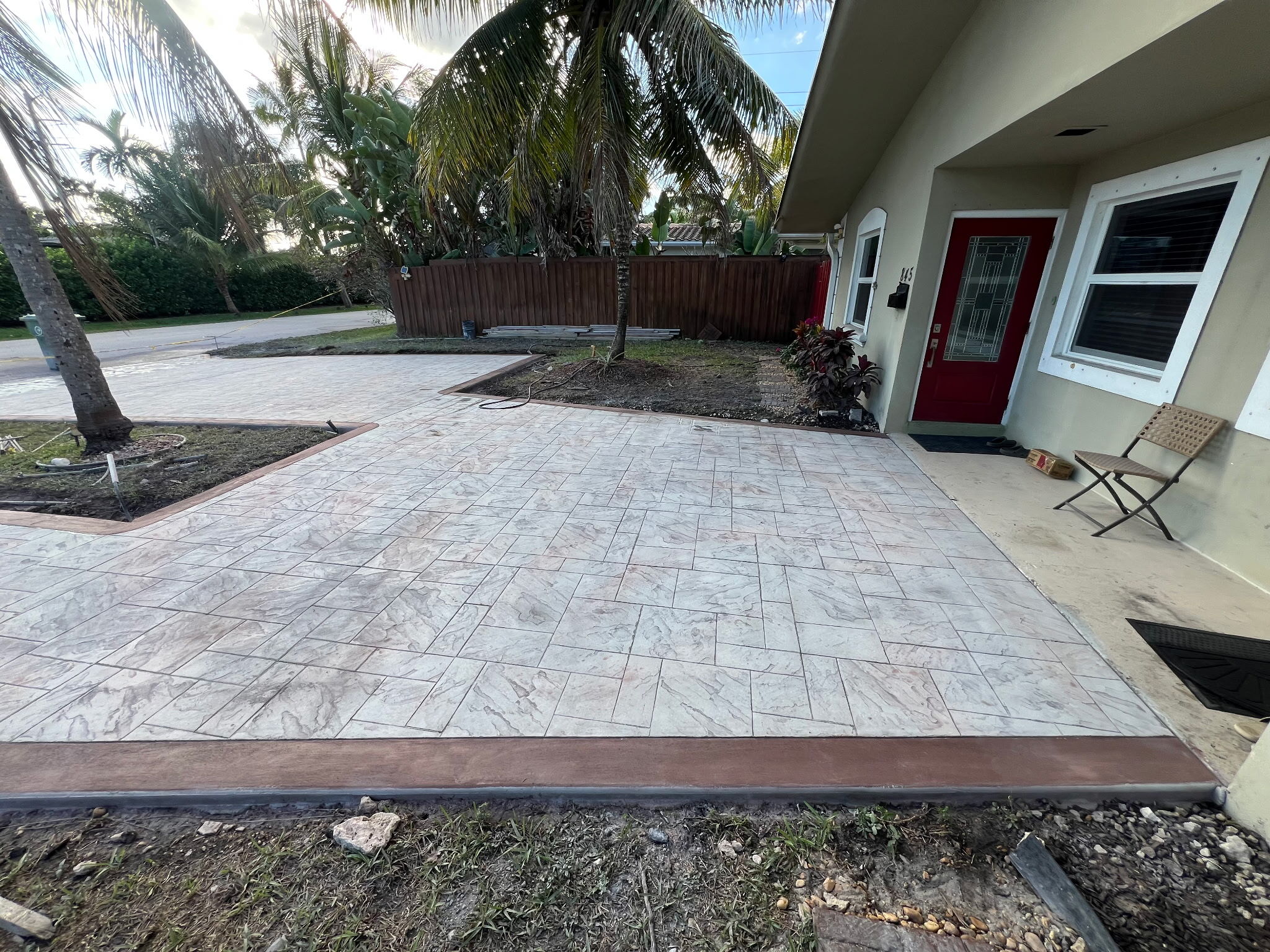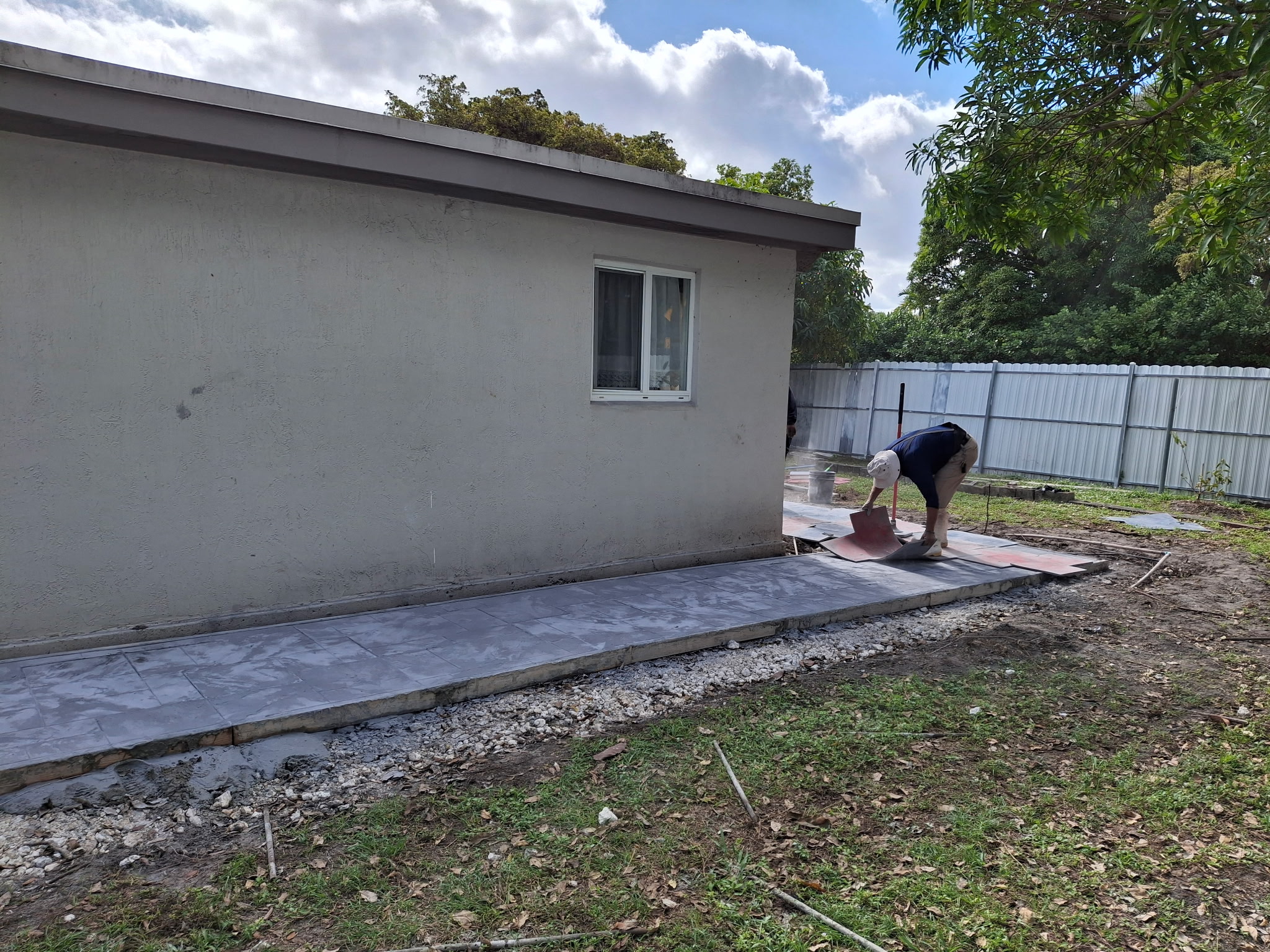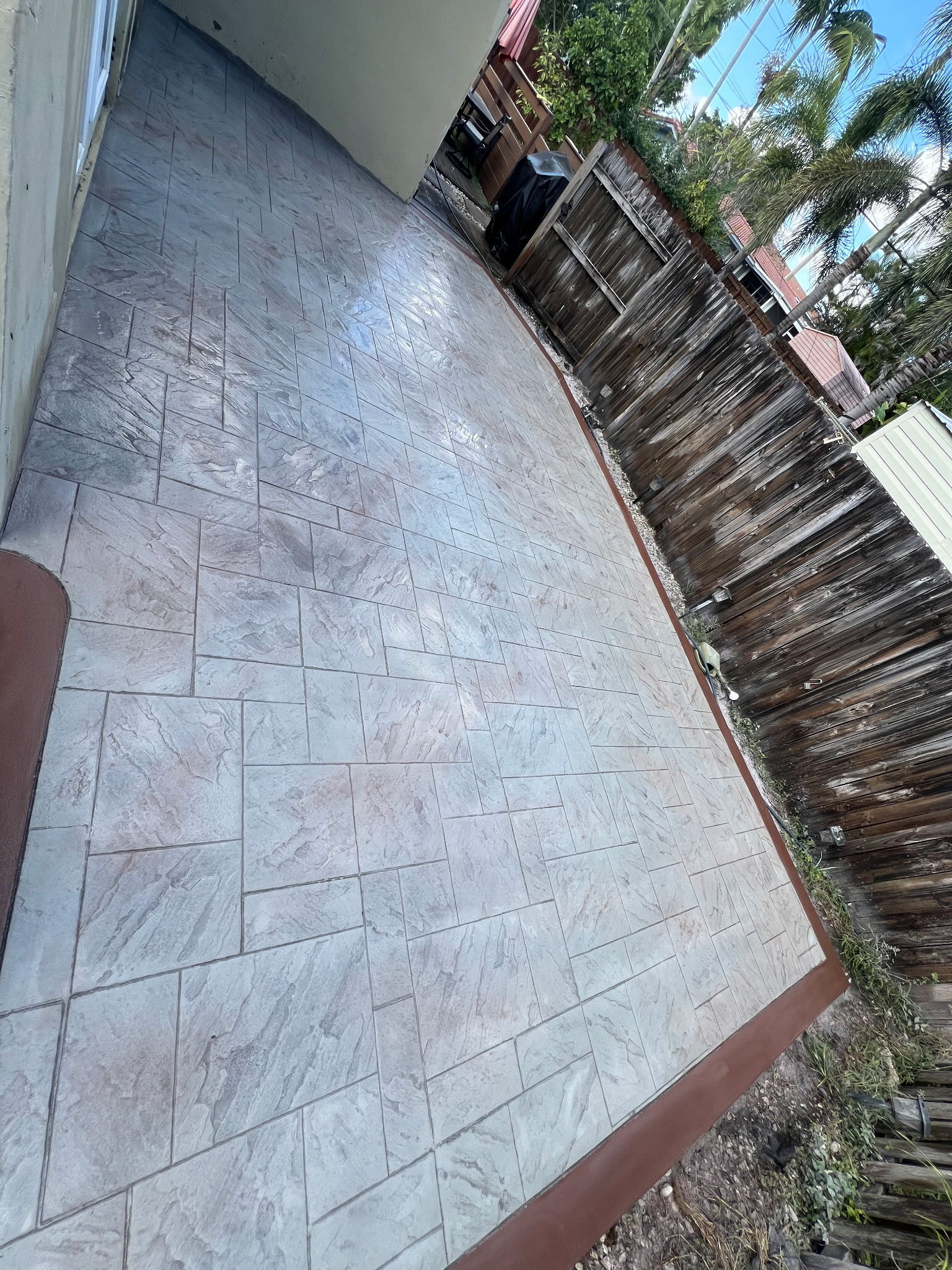
Florida's Concrete Challenge
If you own a home or business in South Florida, you know what we're dealing with. When it hits 90 degrees in the shade and the humidity climbs above 60 percent, your concrete is working hard just to stay intact. The heat causes expansion, the humidity traps moisture, and the cycle repeats every single day. That's why sealing and maintenance aren't optional in Hialeah, Doral, and Miami-Gardens, they're essential.
We've sealed thousands of patios and driveways across Broward and Miami-Dade counties. The ones that last the longest aren't just well-built, they're well-protected. Let's talk about how to keep your concrete looking brand new in this challenging climate.
Sealing Your Concrete Properly
How Often Should You Seal?
In South Florida, we recommend resealing every two to three years. That's more frequent than in drier climates, but our humidity and salt air break down sealers faster. You'll know it's time when water stops beading up on the surface and soaks in instead.
The Best Sealers for South Florida
Not all sealers are created equal in our environment. Penetrating sealers work better here than film-forming ones because they let your concrete breathe while protecting the pores inside. Acrylic sealers are affordable and work okay, but polyurethane or epoxy sealers last longer and handle our heat better. Ask your contractor whether they use a sealer designed for humid, coastal climates.
Pro tip: always hire a professional for sealing. Improper application in humidity can trap moisture and actually speed up deterioration. We've fixed plenty of DIY sealing jobs gone wrong.
Timing Your Concrete Pours
Early Morning Is Your Friend
Never schedule a concrete pour in the afternoon in South Florida. The early morning cool allows the concrete to cure properly. If you pour in the heat, the top sets too fast while the bottom is still soft, leading to cracking and weak spots. We always start work before 8 a.m. during summer months.
Watch the Weather
Afternoon thunderstorms are almost guaranteed from June through September. Don't schedule pours on days when rain is in the forecast. Unexpected rainfall can damage fresh concrete and ruin the finish. Our team monitors the forecast religiously and communicates any timing changes to clients right away.
Curing Concrete in Summer Heat
Proper curing is where most concrete fails in Florida. You need at least seven days of moist curing after the pour. In our heat, that means we often cover freshly poured concrete with plastic sheeting and keep it damp by misting or spraying water several times daily. This prevents the surface from drying too fast while the interior still cures.
Don't walk or drive on the surface during this time, even if it feels hard. Interior strength takes much longer than surface hardness in Florida's humidity.
Power Washing Your Concrete
Regular cleaning keeps your concrete looking fresh and helps you spot problems early. Power washing every six months is great for South Florida properties. However, use a 45-degree nozzle and keep the pressure under 3,000 PSI, or you can damage the surface. If your concrete is sealed, you can use slightly higher pressure.
Avoid power washing new concrete for at least a year. Let that sealer set up properly first.
Preventing Stains in South Florida
Florida's climate brings unique staining challenges. Rust stains come from rebar or metal furniture left on concrete in humid conditions. Mold and mildew love our moisture. Salt spray near coastal areas in Miami-Gardens and Doral can etch the surface.
The best prevention is sealing and quick cleanup. Wipe up spills promptly, especially oil from vehicles. Keep your sealed surfaces clean and dry when possible. If stains do appear, call a professional rather than trying harsh chemical treatments that might damage the sealer.
Keep It Cool and Dry
Your concrete investment is worth protecting properly. In South Florida's heat and humidity, the right sealer, proper curing technique, and regular maintenance aren't extras, they're the foundation of a durable surface. If you have questions about your specific driveway or patio, reach out to the team at YNL Concrete.
Call us at (754) 208-1893 for Fort Lauderdale area properties or (786) 902-7200 for Miami locations. We're here to help your concrete last.