Concrete Permits in Broward County: What You Actually Need to Know
One of the most common questions we get from homeowners and business owners is whether they need a permit for their concrete project. The answer depends on what you're building, where you're building it, and which city in Broward County you're in. There's no single answer for the whole county.
The good news is that most concrete work does require a permit, and that's actually good for you. Permits ensure that work meets safety standards and that the final product is done right. We handle the permit process for our customers, so you don't have to worry about it. But let's explain how it works.
When Permits Are Required
In Fort Lauderdale and most Broward County cities, you need a permit for any new concrete structural work. That includes new driveways, new patios over a certain size, foundations for additions or structures, commercial parking lots, and decorative concrete that ties to your structure.
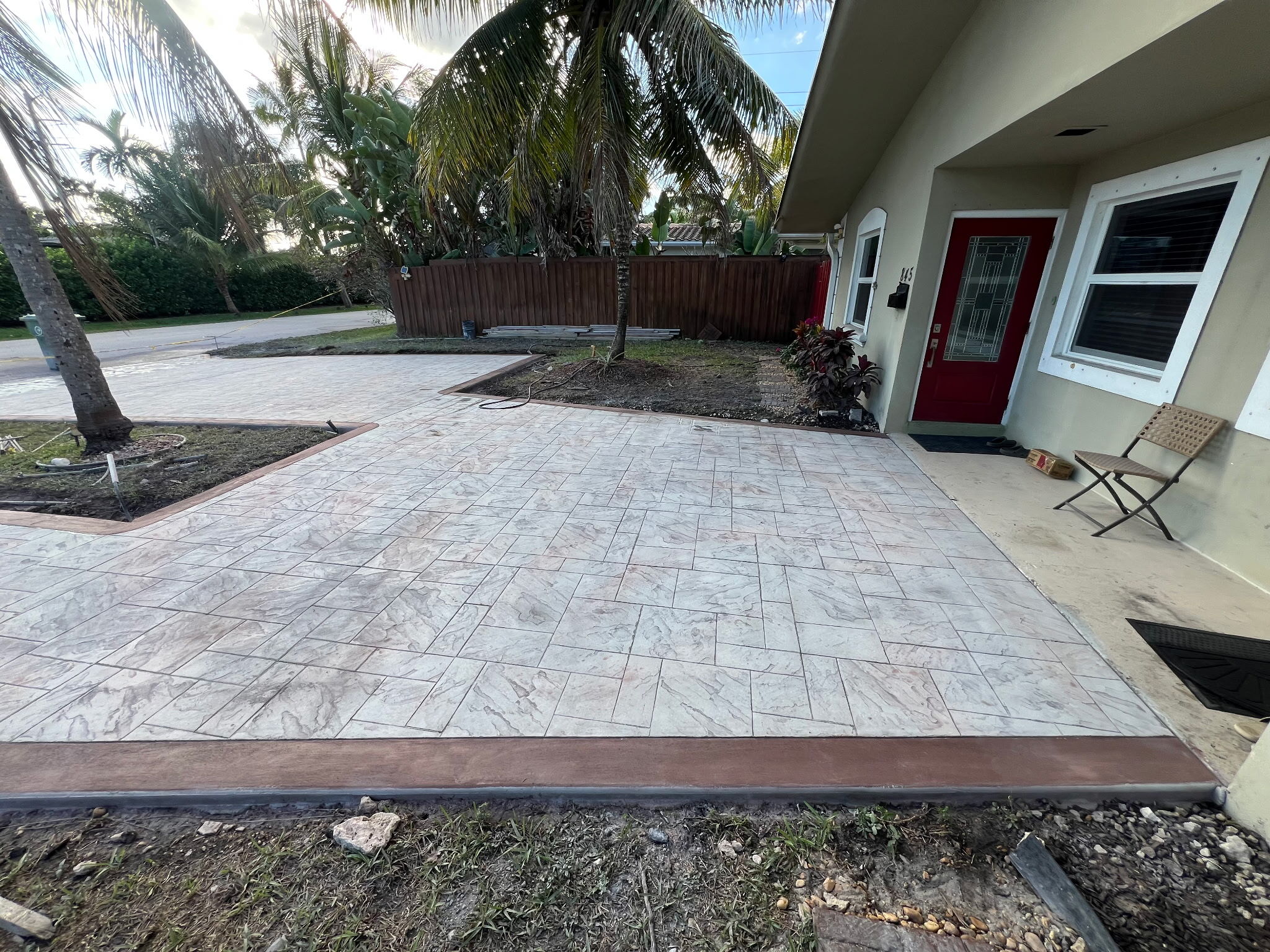
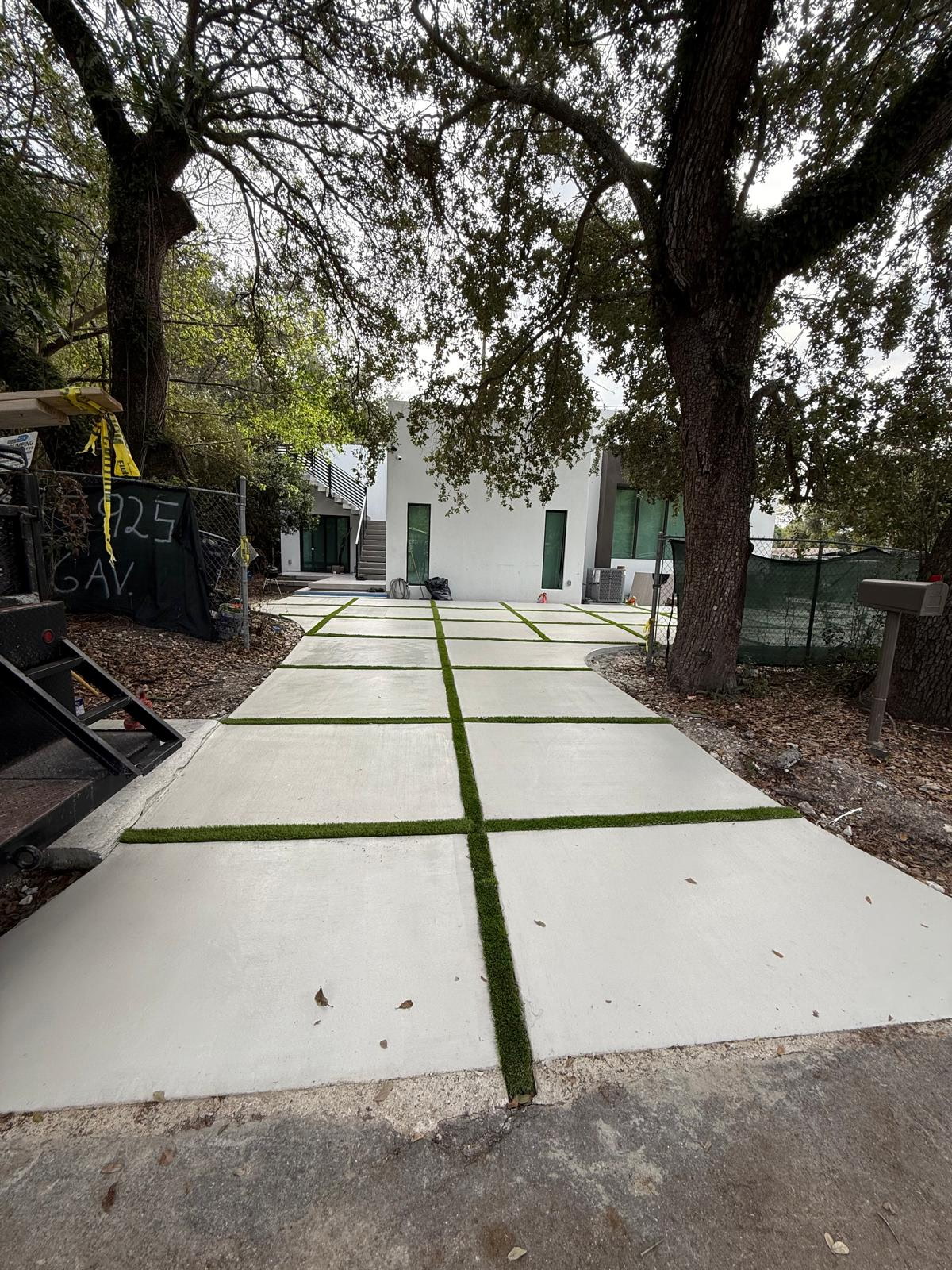
Driveways are the most common project, and yes, you need a permit for a new driveway in Fort Lauderdale. The permit ensures that the driveway is properly graded, has correct drainage, and is installed to code. Permit fees typically run $150 to $500 depending on the scope of work and your city.
Any concrete work on your property that connects to your home or affects your home's structure or drainage requires a permit. This includes concrete foundations, driveways, and significant patios. If the concrete work touches your property's utilities or affects water drainage, it definitely needs a permit.
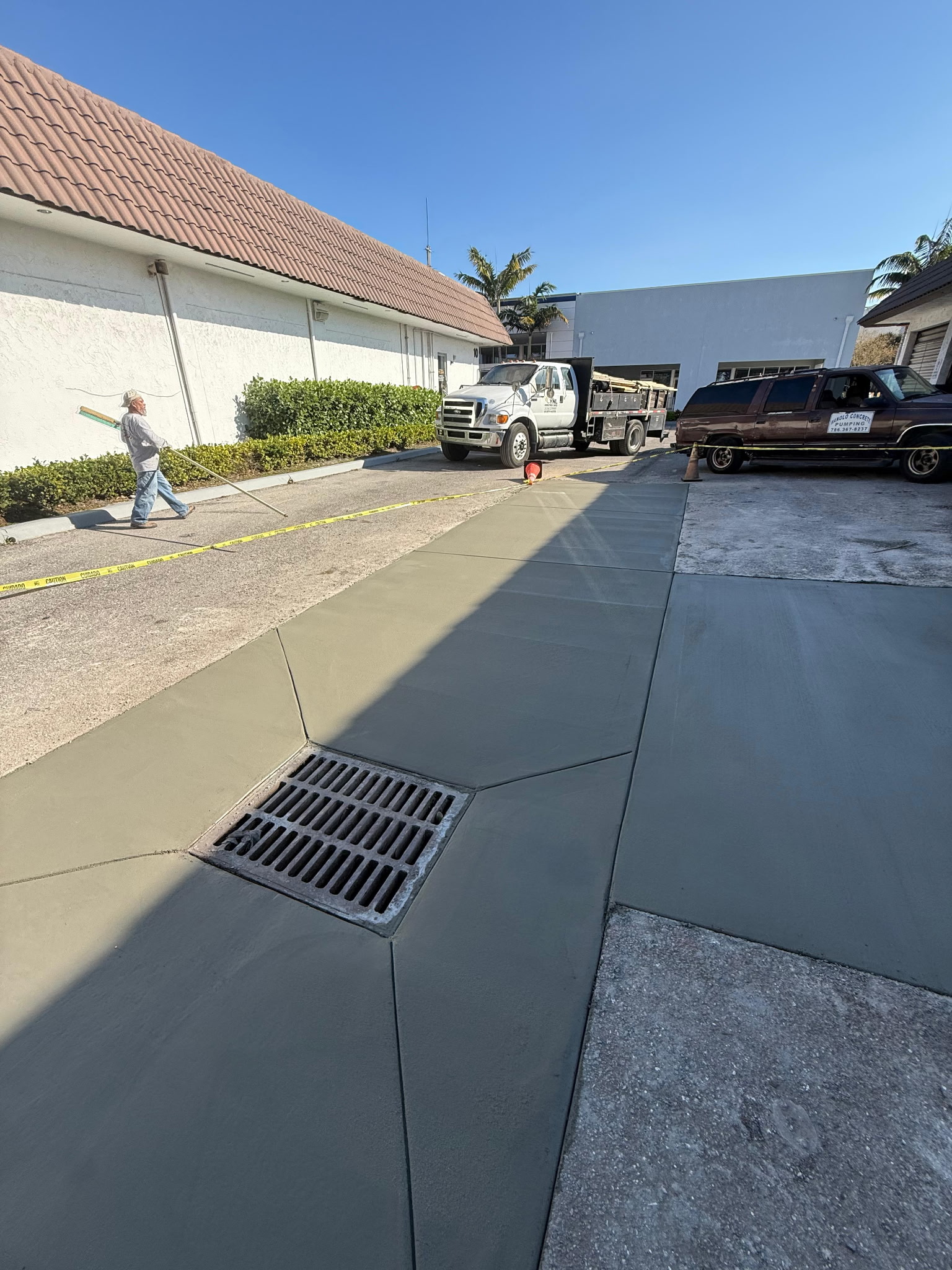
Commercial concrete work in Broward County almost always requires permits. If you're a business owner planning to pour a parking lot, sidewalks, or any structural concrete, expect to go through the permitting process. Building codes for commercial work are stricter than residential, and permits are mandatory.
When Permits May Not Be Required
Very small patios might not require permits in some Broward County cities. Generally, if your patio is under 200 square feet and more than a certain distance from your home and property line, you might not need a permit. But this varies by city. In Fort Lauderdale, the rules are different from Hollywood or Coral Springs.
Resurfacing existing concrete, like re-pouring over an existing driveway, sometimes doesn't require a permit if you're not changing the structure or elevation. But check with your local building department first. Some cities require permits even for resurfacing because it affects drainage.
Small decorative features like a small concrete stepping stone path or a small concrete pad for a plant might not require permits. But anything substantial or anything that ties to your home's structure needs to be permitted. When in doubt, get a permit. The cost is small compared to having to tear out unpermitted work later.
The Broward County Building Division Process
The Broward County Building Division oversees permitting and inspections for unincorporated Broward County areas. If you're in an incorporated city like Fort Lauderdale, Hollywood, or Coral Springs, that city has its own building department and process. The basic steps are similar, though.
First, you get a scope of work prepared. This is usually drawings or detailed plans showing what you're going to build. For a driveway, it might just be a sketch showing the location, size, and how it connects to your home. For commercial concrete, building or drainage plans may be required.
Second, you submit your application and plans to the building department with the permit fee. They review it to make sure the work complies with code. They check drainage, setbacks from property lines, and that it doesn't affect utilities. If everything looks good, they issue the permit. If not, they ask for revisions.
Third, once you have the permit, work can begin. The building inspector typically visits the job site once or twice during the project. They check that the work matches the approved plans and meets code standards. Final inspection approves the completed work.
The whole process takes 2 to 4 weeks typically, depending on how busy the building department is and whether your application is complete. That's why it's important to submit everything correctly the first time.
Fort Lauderdale Specific Requirements
Fort Lauderdale has its own building department and more detailed regulations than some neighboring cities. New driveways require permits, site plans, and drainage approval. Your driveway slope and drainage pattern are checked to ensure water doesn't run onto neighbors' properties or pool in problematic areas.
Fort Lauderdale also has stricter requirements in flood zones and near environmental areas. If your property is in a flood zone, you might have additional requirements for elevation or drainage. Getting a permit forces the building department to review these issues and ensure compliance.
Fort Lauderdale's permit fee for a residential driveway is typically $250 to $400 depending on the size and scope. Commercial work costs more. The city also requires proof that work is done by properly licensed contractors. That's another reason to hire a legitimate contractor rather than a cash-under-the-table operation.
Hollywood and Coral Springs Variations
Hollywood has similar permitting requirements to Fort Lauderdale but sometimes less complex review for simple residential driveways. Permit fees in Hollywood run around $150 to $300. The process is similar, but applications might move slightly faster.
Coral Springs is stricter in some ways. They have specific standards for drainage and environmental impact, especially in residential areas. Permits for concrete work might require surveyor's certifications or engineer's stamps on plans depending on the scope. Plan for $200 to $400 in permit costs.
Plantation and Davie each have their own building departments with slight variations. The common thread is that all Broward County cities require permits for significant concrete work. The details vary, but you always need to check with your specific city.
Why Your Contractor Handles Permits
A good concrete contractor in Broward County knows the permitting process inside and out. We know which projects need permits, which cities have which requirements, and how to submit applications correctly. We handle the whole process for you so you don't have to.
This costs a little more than hiring someone to skip permitting and pour concrete illegally. But it protects you. If unpermitted work causes problems later, you can't easily get it fixed or insured. Unpermitted work can affect your home's resale value and cause conflicts with neighbors or city inspectors.
When we pull a permit, the building department reviews the work. They ensure drainage is correct, the concrete is properly installed, and it complies with code. That review protects you. It ensures the concrete is built right and lasts.
What Happens If You Skip Permits
Building unpermitted concrete is illegal in Broward County and can result in serious problems. If someone reports unpermitted work, the city building department will investigate. They can order the work removed or require extensive repairs to bring it into compliance. Either way, you pay.
Unpermitted work can affect your ability to sell your home. Title companies and buyers discover unpermitted work during title searches or inspections. Some title companies won't insure properties with unpermitted structural work. Buyers walk away or demand thousands in price reductions.
Your homeowner's insurance might not cover damage to unpermitted concrete. If something goes wrong, you have no insurance protection. You also can't get permits for future work if you have unpermitted work on your property.
The smartest move is to do it right. Hire a contractor who pulls permits, gets inspections, and ensures everything is done to code. The permit cost is insurance against future problems.
Timelines and Planning
Plan to add 2 to 4 weeks to your project timeline for the permitting process. In busy seasons like fall and winter, it might take longer. If the building department requests revisions to your plans, that adds time.
Submit your permit application as soon as you've decided on a contractor and have a scope of work. This starts the clock. Once you have the permit, we can schedule the work. Rushing the permit process usually just creates problems.
For larger projects or commercial work, start planning even earlier. Get preliminary site plans and engineering done well in advance of when you want to build. Work with your contractor and any necessary engineers or surveyors to prepare complete applications.
Commercial Concrete and Code Compliance
Business owners planning parking lots, sidewalks, or other commercial concrete need to know that code compliance is strict. ADA accessibility requirements apply to many commercial concrete projects. Drainage, slope, and surface finish all have specifications.
Commercial permits typically require engineer-stamped plans. Your contractor should work with a structural engineer to prepare plans that meet code. Permit fees for commercial work are higher, but they're necessary. Commercial inspections are thorough.
The benefit is that properly permitted commercial concrete is built right and lasts. It meets accessibility codes so you don't face ADA compliance issues. It handles water drainage properly so you don't get flooding or pavement failure.
Let Us Handle Your Permits
If you're planning concrete work in Fort Lauderdale, Hollywood, Coral Springs, Plantation, or anywhere in Broward County, don't stress about permits. We handle the entire permitting process for you. We know what's required in your city, we prepare the applications, we get approvals, and we work with inspectors.
All you do is tell us what you want to build. We take it from there. Our goal is to make your concrete project as simple and stress-free as possible. Call us at (754) 208-1893 in Fort Lauderdale or (786) 902-7200 in Miami to discuss your project. We'll explain what permits you need, what it costs, and how long it takes. Then we'll handle everything.